
Need Emergency Sewer Line Service?
Call the trusted local experts at 99 Dollar Drain Cleaning today.
Visit 99DollarDrainCleaning.com📞 844-423-0056

Fast response • Honest pricing • Same-day service available
Your home’s main sewer line is the most important pipe in your plumbing system. It carries all the wastewater from your sinks, showers, toilets, and appliances out of your house. When it gets clogged, the problem doesn’t stay in one place — it can affect your entire home.
Catching the issue early can save you thousands of dollars in repairs and prevent messy sewage backups. Here are the 5 key warning signs every homeowner should know.
1. Multiple Fixtures Draining Slowly
If your kitchen sink, bathroom shower, and toilet are all draining slowly at the same time, this is a major red flag. A single slow drain is usually a local clog, but when multiple drains are affected, the problem is often in the main sewer line. Try this test: Run water in several places at once. If the drains struggle or water backs up, call a professional plumber immediately.
2. Gurgling or Bubbling Sounds
Hearing gurgling or bubbling from your toilet or drains when you run water elsewhere in the house is not normal. These sounds happen when air gets trapped because the main sewer line is partially blocked.The noise usually gets worse when the washing machine drains or when multiple people are using water. Don’t ignore this common warning sign.
3. Sewage Odors in Your Home or Yard
Bad sewer smells inside your bathrooms, basement, or outside near the sewer cleanout should never be ignored. A clog causes waste to sit longer, allowing nasty gases to escape into your home. These odors often mean the main line is restricted and needs attention right away.
4. Recurring Clogs and Backups
Do you keep having clogs in different fixtures or occasional backups in low areas like basement toilets? This is a strong sign that the main sewer line is the problem.Frequent issues across multiple drains usually mean the blockage is deeper in the main line, not just in one branch.
5. Wet Spots or Lush Grass in the Yard
Look for wet areas in your lawn even when it hasn’t rained, small sinkholes, or patches of grass that are extra green and growing faster than the rest. These are common signs of a leaking or clogged main sewer line underground. Tree roots are a very common cause of this type of damage.
- Only flush toilet paper
- Never pour grease or oil down the drain
- Use drain screens to catch hair and debris
- Get your sewer line inspected every 1–2 years
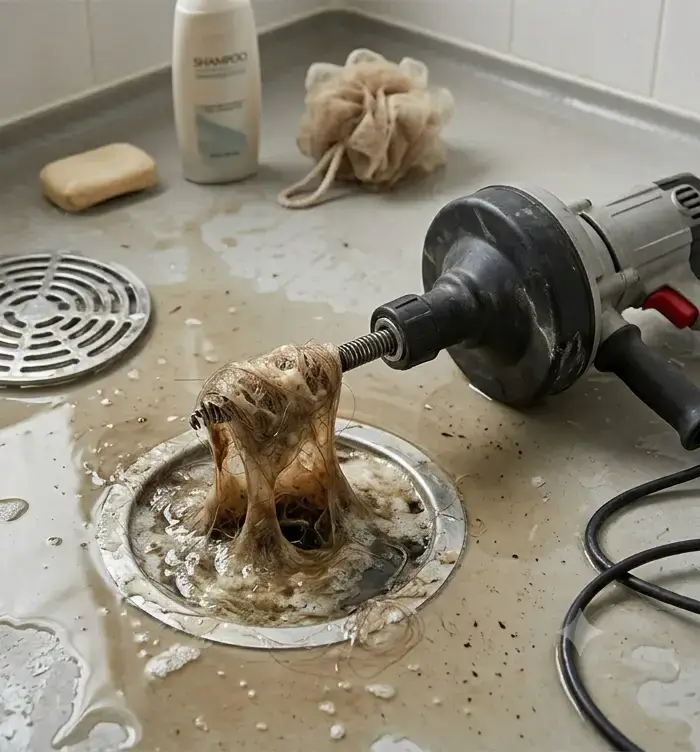
Don’t Wait Until It’s Too Late
A clogged main sewer line can quickly turn into a costly and unpleasant emergency. Pay attention to these warning signs and act fast when you see them.
Common Causes of Main Sewer Line Clogs
Understanding the “why” can help you prevent future problems. The top causes include:
- Tree roots invading old clay or cast iron pipes
- Grease, fat, and oil buildup from kitchen drains
- Flushed items like “flushable” wipes, paper towels, and hygiene products
- Collapsed or shifted pipes due to ground movement or age
- Foreign objects accidentally dropped down toilets
What to Do When You Spot These Signs
Don’t attempt DIY fixes with harsh chemicals. These can damage pipes and only provide short-term relief. Instead, contact a professional plumbing service right away. Most reputable companies offer video camera inspections that allow them to see exactly where the problem is and what’s causing it.
Modern solutions include hydro jetting (high-pressure water cleaning), root cutting, trenchless pipe lining, and full pipe replacement when necessary. Early intervention is almost always far less expensive than waiting for a complete failure.
How Much Does Main Sewer Line Repair Typically Cost?
Costs vary depending on the method and location. A simple hydro jetting service might run a few hundred dollars, while trenchless pipe lining or traditional excavation can range from $4,000 to $15,000 or more. Catching the problem early often keeps you in the lower price range.
Prevention Tips for a Healthy Sewer Line
Prevention is the best long-term strategy. Make these habits part of your routine:
- Only flush toilet paper — nothing else.
- Install grease traps or avoid pouring oils down the kitchen sink.
- Use hair catchers in showers and clean them regularly.
- Schedule professional sewer camera inspections every 18–24 months.
- Plant new trees a safe distance from your sewer line.
- Consider root barriers in high-risk areas.
Regular maintenance can add decades to the life of your plumbing system and help you avoid surprise emergencies.
Myths About Main Sewer Lines
Many homeowners believe “flushable” wipes are safe or that chemical cleaners are a good monthly maintenance tool. Both are myths that can cause major damage. Also, just because your toilets flush doesn’t mean your main line is clear — partial clogs can hide for a long time before becoming obvious.
Don’t Wait For Sewer Lines To Be Messy
Your main sewer line works hard every single day, quietly handling everything your household produces. Don’t wait until you have a messy backup or expensive emergency on your hands.
Pay attention to slow drains, gurgling sounds, bad odors, recurring clogs, and yard issues.Acting quickly when you notice these five warning signs can save you time, stress, and a lot of money.
A professional inspection today can prevent a plumbing disaster tomorrow.If you’re experiencing any of these symptoms in your home, reach out to a trusted local plumber right away.
Frequently Asked Questions About Main Sewer Line Clogs
How can I tell if the problem is in the main sewer line versus a single drain?
If only one sink or toilet is affected, it’s probably a localized clog. However, when multiple fixtures drain slowly, you hear gurgling sounds, or you notice odors and yard problems at the same time, the main sewer line is most likely the issue.
Can I clear a main sewer line clog myself?
It’s not recommended. Chemical drain cleaners can damage pipes and are usually ineffective on main line clogs. Plungers and store-bought snakes rarely reach far enough to solve the problem. Professional tools and camera inspections are the safest and most effective solution.
How long should a main sewer line last?
Cast iron sewer lines typically last 50–75 years, while modern PVC lines can last 100 years or more. However, factors like tree roots, soil movement, and what goes down your drains can significantly shorten their lifespan.
What is trenchless sewer repair and is it worth it?
Trenchless repair is a modern technique that fixes or replaces pipes with minimal digging. It’s faster, less disruptive to your yard, and often more durable than traditional methods. While slightly more expensive upfront, it usually saves money on landscaping restoration.
How often should I have my sewer line inspected?
Most experts recommend a professional camera inspection every 18 to 24 months. Homes older than 20 years or those with large trees nearby should be inspected more frequently.
What happens if I ignore the warning signs?
Ignoring the signs can lead to complete blockages, sewage backups inside your home, expensive water damage, mold growth, and much higher repair costs. Early action almost always results in simpler and cheaper solutions.