
If your toilet flushes slowly, don’t ignore it. A weak or sluggish flush is often the first sign that something isn’t working correctly. In many homes, the problem is something simple like low water in the tank or clogged rim jets. In other cases, a slow flush can point to a developing drain blockage or even a sewer line issue.
The good news is that many slow-flushing toilet problems can be diagnosed by paying attention to a few common symptoms. This guide answers the questions homeowners ask most often and explains when it’s time to call a drain cleaning professional.

Is Your Toilet Flushing Slowly?
A slow toilet flush could be a simple repair—or the first warning sign of a clogged drain or sewer line. Our experienced drain specialists can quickly identify the cause and recommend the right solution before the problem gets worse.
📞 Call 844-423-0056Fast service • Honest recommendations • Professional drain cleaning
What causes a toilet to flush slowly?
A toilet flush depends on several components working together. The tank must release enough water quickly, the toilet trap must remain clear, and the drain pipe must carry waste away without restriction.
When any part of that system is compromised, you’ll notice:
- Water swirling longer than normal
- Waste not completely leaving the bowl
- Multiple flushes required
- Water rising before slowly draining
- Weak flushing power
- Gurgling sounds after flushing
Some problems are easy to fix yourself, while others require professional drain cleaning.
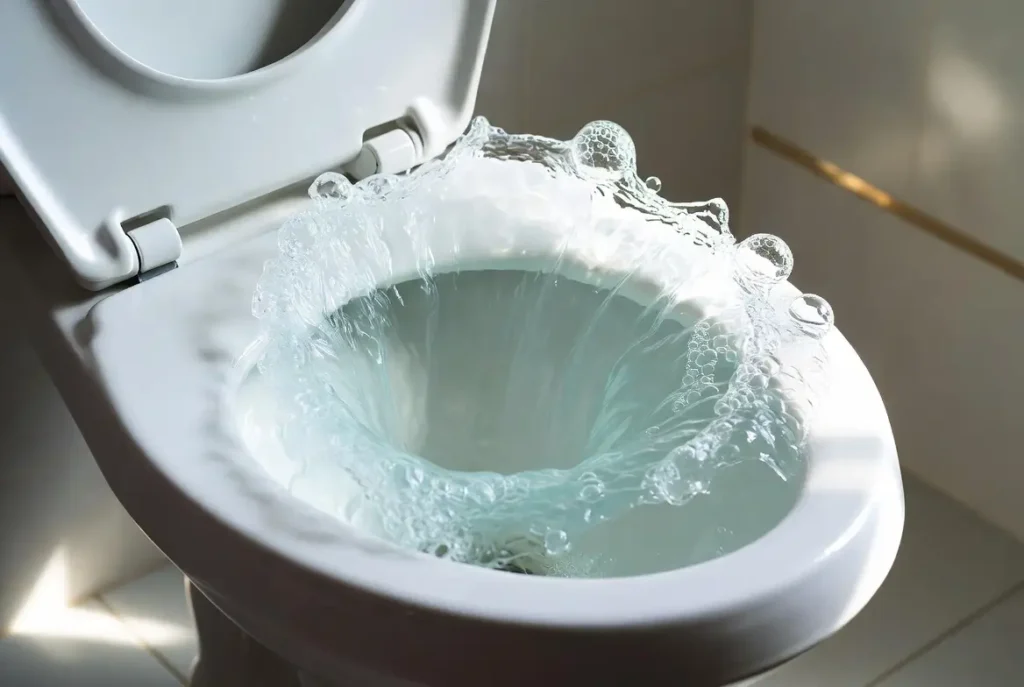
Is a slow-flushing toilet a sign of a clogged drain?
Sometimes.
A slow flush is often one of the earliest warning signs of a drain clog in Detroit.
Small accumulations of toilet paper, wipes, soap residue, grease from connected plumbing fixtures, or mineral buildup gradually reduce the pipe’s opening. Water can still pass through—but not nearly as fast.
As the clog grows, symptoms usually become more noticeable.
You may begin to see:
- The toilet nearly overflowing
- Bubbling in nearby drains
- Slow bathroom sink drainage
- Bathtub backing up
- Water backing into the shower after flushing
These symptoms usually indicate the blockage extends beyond the toilet itself.
Can too much toilet paper cause a weak flush?
Absolutely.
Even flushable toilet paper can create temporary clogs when excessive amounts are flushed at once.
This is especially common in:
- Older plumbing systems
- Homes with low-flow toilets
- Long horizontal drain runs
- Pipes with existing buildup
If your toilet flushes normally most of the time but slows after heavy paper use, the issue may simply be a partial blockage.
Why does the water rise before it goes down?
This is one of the biggest warning signs homeowners notice.
When you flush, the bowl fills higher than normal because the water cannot move through the drain fast enough.
Eventually gravity allows the water to drain away slowly.
That usually indicates:
- A partial toilet clog
- A blockage in the drain line
- A developing sewer obstruction
If the water continues rising without draining, stop flushing immediately to avoid an overflow.
Could something be stuck inside the toilet?
Yes.
Many slow flushes are caused by objects trapped inside the toilet trap.
Common items include:
- Children’s toys
- Toothbrushes
- Air fresheners
- Excessive wipes
- Feminine hygiene products
- Cotton swabs
- Paper towels
Unlike ordinary toilet paper, these items don’t dissolve properly.
They reduce the opening inside the trap and weaken every flush afterward.
Why won’t my plunger fix the problem?
Plungers work best on fresh, localized clogs.
If you’ve plunged several times without improvement, the blockage may be:
- Farther down the drain
- Packed tightly
- Caused by tree roots
- Located in the main sewer line
- Caused by heavy mineral buildup
At that point, a professional drain inspection is often the quickest way to determine the actual cause.
Can hard water make my toilet flush slowly?
Yes.
Hard water contains minerals that slowly build up inside the toilet.
Over time these deposits clog the small rim holes located underneath the edge of the bowl.
Those holes release water during every flush.
When they’re partially blocked:
- Less water enters the bowl
- Flush pressure decreases
- Waste doesn’t clear completely
- Multiple flushes become necessary
Mineral buildup is especially common in areas with hard water.
What are clogged rim jets?
Most homeowners don’t realize their toilet has dozens of tiny water openings hidden under the rim.
These openings—called rim jets—direct water around the bowl during flushing.
When mineral deposits block them, flushing power drops significantly.
Signs include:
- Weak swirling action
- Uneven water flow
- Water trickling from only one side
- Slow waste removal
Cleaning these openings can often restore normal performance.
Could the toilet tank be causing the problem?
Definitely.
A toilet needs enough water in the tank to create a strong flush.
Problems inside the tank include:
Low water level
If the water stops below the recommended fill line, there isn’t enough water for a complete flush.
Faulty fill valve
The fill valve controls how much water enters the tank after flushing.
A failing valve may underfill the tank.
Flapper problems
If the flapper closes too early, not enough water reaches the bowl.
This creates a weak flush even though the tank appears full.
Why is only one toilet flushing slowly?
If every other fixture works normally, the issue is often isolated to that toilet.
Possible causes include:
- Toilet trap blockage
- Mineral buildup
- Internal toilet defect
- Foreign object lodged inside
- Worn flushing components
These problems typically don’t affect the rest of your home’s plumbing.
What if multiple drains are slow?
This usually points to a larger drainage issue.
If your:
- Toilet flushes slowly
- Sink drains slowly
- Shower backs up
- Bathtub fills with water
- Laundry drain struggles
…the blockage is likely farther down the plumbing system.
Professional drain cleaning may be needed before the problem becomes a complete backup.
Can tree roots cause a slow toilet flush?
Yes.
Tree roots naturally seek moisture and can enter older sewer pipes through tiny cracks or loose joints.
As roots grow, they catch debris flowing through the sewer.
Eventually they create a restriction that slows drainage throughout the house.
Common warning signs include:
- Slow toilets
- Multiple slow drains
- Frequent clogs
- Gurgling sounds
- Sewage odors
- Recurring backups
Root intrusion is one of the leading causes of sewer line blockages.
Why does my toilet gurgle after flushing?
Gurgling usually means air is trapped somewhere in the drainage system.
Possible causes include:
- Partial drain blockage
- Blocked plumbing vent
- Sewer line restriction
When water cannot move freely, trapped air escapes through nearby fixtures, creating bubbling or gurgling sounds.
This symptom should not be ignored.
Can a clogged plumbing vent cause slow flushing?
Yes.
Every plumbing system has vent pipes that allow air into the drainage system.
If a vent becomes blocked by:
- Leaves
- Bird nests
- Debris
- Ice
- Animal nests
…the drain loses proper airflow.
Without enough air pressure, toilets may flush sluggishly and drains may gurgle.
Should I use chemical drain cleaners?
Generally, no.
Chemical drain cleaners often fail to remove the actual blockage.
Instead, they may:
- Damage older pipes
- Harm toilet components
- Create safety hazards
- Make future repairs more difficult
Mechanical drain cleaning is usually more effective and safer for your plumbing.
When should I call a drain cleaning professional?
Call a professional if:
- The toilet repeatedly flushes slowly
- Plunging doesn’t solve the issue
- Water backs into other fixtures
- Several drains are slow
- The toilet frequently clogs
- You notice sewage odors
- Gurgling continues
- Water nearly overflows with every flush
Early service can prevent a much larger plumbing emergency.
How can I prevent slow toilet flushing?
Routine maintenance goes a long way toward avoiding recurring problems.
Helpful habits include:
- Flush only toilet paper and human waste.
- Avoid “flushable” wipes, paper towels, and hygiene products.
- Address slow drains before they become complete blockages.
- Keep mineral buildup under control if you have hard water.
- Schedule professional drain cleaning if your home has older plumbing or recurring clogs.
- Have recurring sewer problems inspected before they lead to backups.
Preventive care is often far less expensive than repairing water damage caused by an overflowing toilet or blocked sewer line.
Having a slow flushing toilet is never good
A slow-flushing toilet is more than just an inconvenience—it can be an early warning that something is restricting your plumbing system. While issues like mineral buildup, low tank water, or a worn flapper are relatively simple to address, recurring slow flushes, rising water levels, gurgling sounds, or multiple sluggish drains often indicate a deeper drain or sewer problem.
Paying attention to these early signs can help you avoid emergency backups, costly water damage, and more extensive repairs. If basic troubleshooting doesn’t restore a strong flush, having your drain system inspected and cleaned can identify the root cause before it becomes a major plumbing issue.