Most Detroit homeowners don’t think twice about their water heater until it stops working. And when it does stop working, it usually doesn’t give you a heads-up. One day you’ve got hot water, the next day you’re standing in an ice-cold shower wondering what just happened.
Here’s the truth: water heaters almost always warn you before they fail. The problem is people ignore the signs, keep pushing it off, and end up dealing with a bigger, more expensive mess later.

If you live in Detroit or anywhere in Southeast Michigan, your water heater works hard. Between older plumbing systems, hard water, and daily use, tanks here don’t last forever. Let’s go over the real signs that tell you it’s time to replace your water heater before it turns into an emergency.
First Things First: How Old Is Your Water Heater?
Age matters more than most people realize.
In Detroit homes, a standard tank water heater typically lasts:
- 8 to 12 years
- Sometimes less with hard water
- Rarely more without regular maintenance
If your water heater is:
- Over 10 years old, you should already be planning
- Over 12 years old, you’re rolling the dice
Even if it’s “working fine,” age alone puts it in the danger zone.
You can usually find the manufacture date on the sticker or serial number on the tank itself.
Sign #1: Your Hot Water Runs Out Faster Than It Used To
This is one of the most common complaints we hear.
If you notice:
- Shorter showers
- Hot water turning lukewarm fast
- Multiple people can’t shower back-to-back
That usually means sediment buildup inside the tank.
Detroit water contains minerals that settle at the bottom of the tank over time. That sediment takes up space, forces the heater to work harder, and eventually damages the tank from the inside out.
Once this becomes consistent, replacement usually makes more sense than repair.
Sign #2: Rusty or Discolored Hot Water
Turn on the hot water and see:
- Brown water
- Yellow tint
- Rust-colored streaks
That’s a major warning sign.
Inside water heaters is an anode rod designed to corrode instead of the tank. Once that rod is gone, the tank itself starts rusting. At that point, failure is only a matter of time.
Sign #3: Popping, Rumbling, or Banging Sounds
Water heaters shouldn’t sound like they’re fighting for their life.
Loud noises usually mean:
- Heavy sediment buildup
- Water overheating under hardened debris
- Stress on the tank walls
Once a tank gets noisy, it’s usually near the end of its lifespan.
Sign #4: Water around the Base of the Tank
This one is serious.
If you see:
- Puddles near the tank
- Moisture underneath
- Active leaking
That almost always means the tank itself is cracked or failing internally.
A leaking tank cannot be repaired. Replacement is the only safe option.
Sign #5: You’re paying for Repairs Too Often
One repair can be fine.
Multiple repairs over a short period you might want to start looking at a new water heater for the house.
- Pilot light issues
- Heating element failures
- Valve replacements
- Thermostat problems
That’s when it stops making sense.
Once repair costs start stacking up, replacement is usually cheaper in the long run.
Sign #6: Your Energy Bills Keep Going Up
Old water heaters become inefficient as they age.
Sediment buildup forces the unit to:
- Run longer
- Use more gas or electricity
- Heat water slower
If your utility bills are creeping up and nothing else has changed, your water heater could be the reason.
Sign #7: You’re constantly adjusting the Temperature
If you’re always turning the dial up just to get warm water, that’s not normal.
A healthy water heater should maintain temperature without constant adjustment. If it can’t, it’s losing efficiency fast.
Sign #8: Visible Rust or Corrosion on the Tank
Take a look at the outside of your unit.
Rust spots, corrosion, or flaking metal usually mean the inside is breaking down too. Once corrosion starts, replacement should be on your radar.
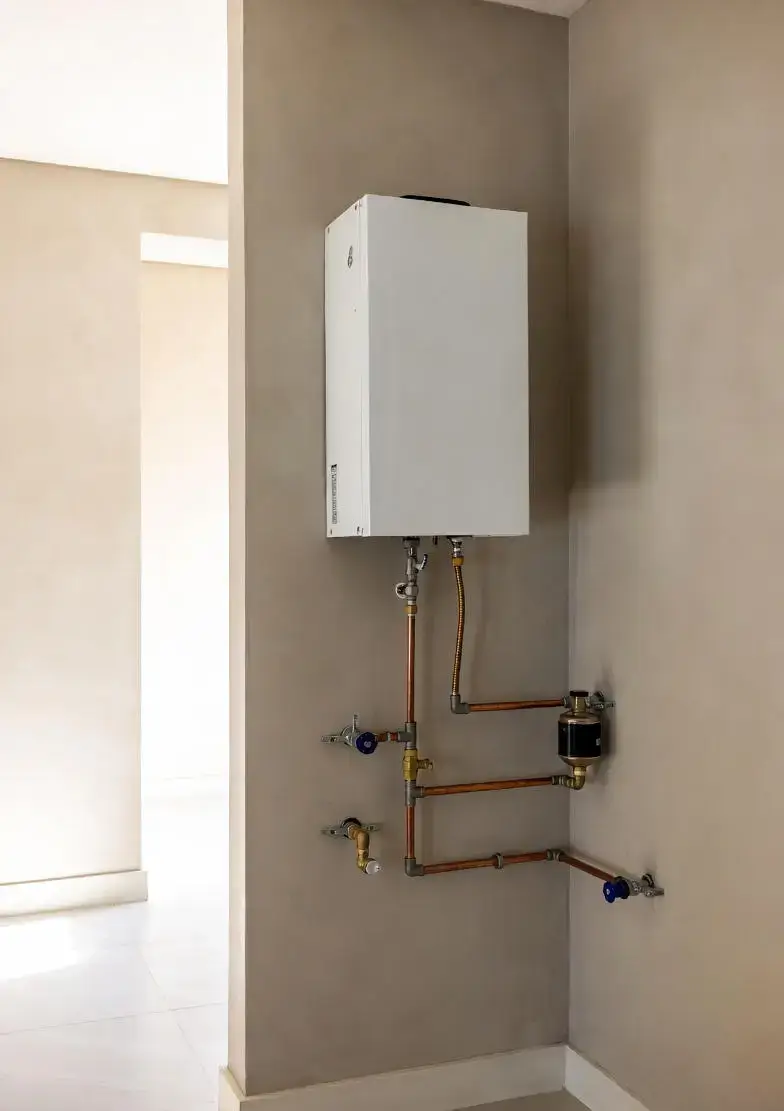
Tank vs Tankless Water Heaters (Detroit Homeowners Ask This a Lot)
If you’re replacing your water heater, this question always comes up.
Traditional Tank Water Heaters
Pros:
- Lower upfront cost
- Simple installation
- Works well for most Detroit homes
Cons:
- Limited hot water supply
- Less energy efficient
- Larger footprint
Tankless Water Heaters
Pros:
- Endless hot water
- More energy efficient
- Smaller size
Cons:
- Higher upfront cost
- May require electrical or gas upgrades
- Not ideal for every home
For many Detroit homes, tank heaters still make the most sense. Tankless can be great, but only if the home’s setup supports it. A plumber can help you decide what actually works for your situation.
Why Waiting Too Long Is a Mistake
When water heaters fail, they usually do it:
- In the winter
- Early in the morning
- When guests are visiting
And when tanks fail, they can:
- Flood basements
- Damage floors and drywall
- Lead to mold issues
Replacing a water heater on your schedule is always cheaper than replacing it after a disaster.
When to Call a Professional
If you’re seeing:
- No hot water
- Leaks
- Rusty water
- Loud noises
- Inconsistent temperatures
Don’t guess. Get it checked.
Need a Water Heater Checked or Replaced?
Don’t wait for cold showers or water damage. Talk to a local water heater pro today.
Call 844-423-0056Frequently Asked Questions about Water Heater Replacement
How long does a water heater replacement take?
Most replacements take 2–4 hours, depending on the setup and whether upgrades are needed.
Is it better to repair or replace a water heater?
If the unit is over 10 years old or leaking, replacement is usually the better option.
How much does a new water heater cost in Detroit?
Costs vary based on size and type, but most homeowners spend $1,200–$2,500 installed.
Can a water heater really flood a basement?
Yes. A failing tank can dump dozens of gallons of water into your basement fast.
Should I flush my water heater every year?
Yes. Annual flushing helps reduce sediment buildup and extend lifespan.
Don’t Ignore Your Water Heater
Your water heater works every single day. When it starts showing signs of failure, ignoring it usually leads to bigger problems and bigger bills.
If your unit is old, noisy, leaking, or inconsistent, it’s time to have it checked. Replacing it before it fails saves money, stress, and damage to your home. One thing to know is that water heater replacement isn’t usually a DIY project.
Get Hot Water Back the Right Way
Unsure if your water heater needs repair or replacement? Let a pro take a look.
Call 844-423-0056