Experiencing a sewer backup in your Detroit home is more than just an inconvenience—it’s a health hazard, a property risk, and a serious plumbing emergency. Whether it’s a flooded basement, backed-up toilets, or foul odors emanating from your drains, swift action is crucial. In this guide, we’ll walk you through what to expect when you call for emergency sewer backup services in Detroit, including typical costs, the process, and how to protect your home.
Common Causes of Sewer Backups in Detroit Homes
Understanding the root causes of sewer backups can help homeowners in Detroit take preventive measures and recognize the severity of the situation when it occurs. Common causes include:

- Aging Infrastructure: Many neighborhoods in Detroit have older sewer systems that are more prone to blockages and failures.
- Tree Root Intrusion: Roots from mature trees can infiltrate sewer lines, causing clogs and potential pipe damage.
- Heavy Rainfall and Flooding: Detroit’s susceptibility to heavy rains can overwhelm the sewer system, leading to backups.
- Improper Disposal Practices: Flushing non-degradable items like wipes or grease can lead to blockages.
What to Expect When You Call for Emergency Sewer Backup Services
When you contact a professional plumbing service for a sewer backup emergency, here’s what typically happens:
- Immediate Response: Reputable companies offer 24/7 emergency services, ensuring a technician arrives promptly to assess the situation.
- Assessment and Diagnosis: The technician will inspect the affected area to determine the cause and extent of the backup.
- Containment and Cleanup: If sewage has entered the home, containment measures are taken to prevent further spread, followed by thorough cleanup and sanitization.
- Repair or Replacement: Depending on the diagnosis, repairs may involve snaking the line, hydro-jetting, or even replacing damaged sections of the sewer line.
- Final Inspection and Recommendations: After resolving the immediate issue, the technician will provide recommendations to prevent future backups, which may include regular maintenance or system upgrades.
Typical Costs for Sewer Backup Services in Detroit
Understanding the potential costs involved can help homeowners prepare financially. Here’s a breakdown:
- Basic Drain Snaking: For minor blockages, snaking services typically range from $100 to $250. We have a break down of drain cleaning costs.
- Hydro-Jetting: For more stubborn clogs, hydro-jetting services can cost between $350 and $600.
- Sewer Line Repairs: Depending on the severity, repairs can range from $500 to $1,000 or more.
- Sewer Line Replacement: In cases of extensive damage, replacement costs can be substantial, potentially reaching up to $25,000 per house.
Note: Prices can vary based on the specific circumstances and the service provider.
Health Risks and Safety Precautions
Sewer backups pose significant health risks due to the presence of harmful bacteria and pathogens in the sewage. It’s essential to:
- Avoid Contact: Do not attempt to clean up sewage yourself; professional services are equipped to handle the contamination safely.
- Ventilate the Area: Open windows and doors to allow fresh air circulation.
- Turn off Utilities: If the backup is severe, turn off electricity and gas to prevent accidents.
Insurance Considerations
Homeowners insurance policies vary, and many standard policies do not cover sewer backups. It’s advisable to:
- Review Your Policy: Check with your insurance provider to understand your coverage.
- Consider Additional Coverage: Some insurers offer add-ons for sewer backup coverage, which can be beneficial in areas prone to such issues.
Why Local Expertise Matters in Detroit
Hiring a local plumbing service in Detroit offers several advantages:
- Familiarity with Local Infrastructure: Local plumbers are well-acquainted with the city’s sewer systems and common issues.
- Quick Response Times: Proximity allows for faster response during emergencies.
- Knowledge of Local Regulations: Local experts are up-to-date with city codes and regulations, ensuring compliant work.
Preventive Measures to Avoid Future Sewer Backups
Taking proactive steps can help prevent future sewer backups:
- Regular Maintenance: Schedule annual inspections and cleanings to keep your sewer lines clear.
- Proper Disposal Practices: Avoid flushing non-degradable items and dispose of grease properly.
- Tree Maintenance: Regularly trim trees near sewer lines to prevent root intrusion.
- Install Backflow Valves: These devices can prevent sewage from backing up into your home during heavy rains.
Step-by-Step Emergency Sewer Backup Process
When a homeowner calls for a sewer backup, the process usually unfolds in several key steps. Expanding on earlier sections:
- Initial Call and Assessment – 24/7 emergency lines are essential. The service dispatches technicians who ask questions about affected areas, severity, and any health hazards.
- On-Site Inspection – Upon arrival, technicians inspect affected areas and determine whether a simple clog, root intrusion, or pipe damage is the culprit. Camera inspections are often used to visually confirm the cause.
- Containment – Any water or sewage entering living areas is contained to prevent further damage. Professionals use barriers, pumps, and protective equipment.
- Cleaning and Sanitization – All affected areas are cleaned with EPA-approved disinfectants. This step is critical for health safety.
- Pipe Clearing/Repair – Based on the inspection, plumbers may:
- Snake the lines ($100–$250 for basic blockages)
- Hydro-jet the pipes ($350–$600 for tougher clogs)
- Replace damaged pipe sections ($500–$1,000 for small sections, up to $25,000 for full sewer line replacement)
- Post-Service Recommendations – Professionals advise homeowners on preventive measures, including annual inspections, proper disposal practices, and tree root management.
Detroit-Specific Cost Considerations
Costs vary depending on factors unique to Detroit:
- Neighborhood Infrastructure – Older areas like Corktown, Midtown, and East English Village may have cast iron or clay pipes more prone to corrosion and root intrusion.
- Time of Service – Emergency calls after hours or on weekends generally incur a premium of 20–50%.
- Severity of Backup – Minor backups might cost $99–$250, while multi-level basement flooding and line replacement can escalate quickly.
- Equipment and Materials – Hydro-jetting, camera inspections, and pipe replacement materials contribute to overall cost.
Providing homeowners with clear cost expectations ensures they can make informed decisions and reduces surprises during the emergency.
Preventative Maintenance for Detroit Homeowners
Prevention is the most cost-effective strategy. Consider:
- Backflow Valves – These prevent sewage from re-entering homes during city sewer surges.
- Regular Line Inspections – Annual camera inspections catch minor issues before they become emergencies.
- Proper Disposal Practices – Avoid flushing wipes, grease, or other non-degradable materials.
- Tree Management – Roots are one of the most common causes of sewer backups. Regular trimming and inspection near sewer lines help reduce risk.
- Seasonal Checks – Detroit winters can shift pipes, and spring thaw can overload city sewers. Schedule maintenance accordingly.
Homeowner Do’s and Don’ts
Do:
- Call a professional immediately.
- Document the situation for insurance purposes.
- Follow preventive advice from your plumber.
Don’t:
- Attempt DIY chemical treatments; these can corrode pipes.
- Enter contaminated water areas without protection.
- Ignore slow drains or gurgling sounds — early signs can prevent larger emergencies.
Insurance and Liability in Detroit
Many homeowners are surprised to learn that standard insurance may not cover sewer backups. Consider:
- Policy Review – Confirm whether sewer backup coverage is included.
- Additional Coverage – Some insurers offer riders for sewer backup or basement flooding.
- Documentation – Keep receipts, photos, and invoices for claims.
Proactive insurance management ensures homeowners aren’t left with unexpected repair costs.
Local Expertise Matters
Choosing a local Detroit plumber is critical:
- Familiarity with Local Codes – Ensures repairs meet city regulations.
- Knowledge of Infrastructure – Speeds up diagnosis and service.
- Quick Response Times – Emergencies are mitigated faster, reducing property damage.
Seasonal Sewer Backup Challenges in Detroit
Detroit’s climate plays a significant role in sewer system performance. Homeowners may notice that sewer backups occur more frequently during certain times of the year.
- Winter Freezing – Sub-zero temperatures can cause ground contraction, shifting older clay or cast iron pipes. This can lead to misalignment or minor cracks, increasing the risk of backups. Ice forming in the main lines can further restrict flow, especially in basements or low-lying areas.
- Spring Thaw and Rainfall – As snow melts and spring rains hit, Detroit’s municipal sewer systems can become overwhelmed. Homes with basement drains at or below street level are particularly vulnerable to backups. In these scenarios, timely professional intervention is critical to prevent water damage and contamination.
- Summer Root Growth – Tree roots grow rapidly during the warmer months. In neighborhoods with older sewer lines, like Corktown and East English Village, roots frequently infiltrate joints and cracks, causing slow drains or full backups. Regular inspection and maintenance during these months can reduce risks significantly.
Health Risks and Sanitation Considerations
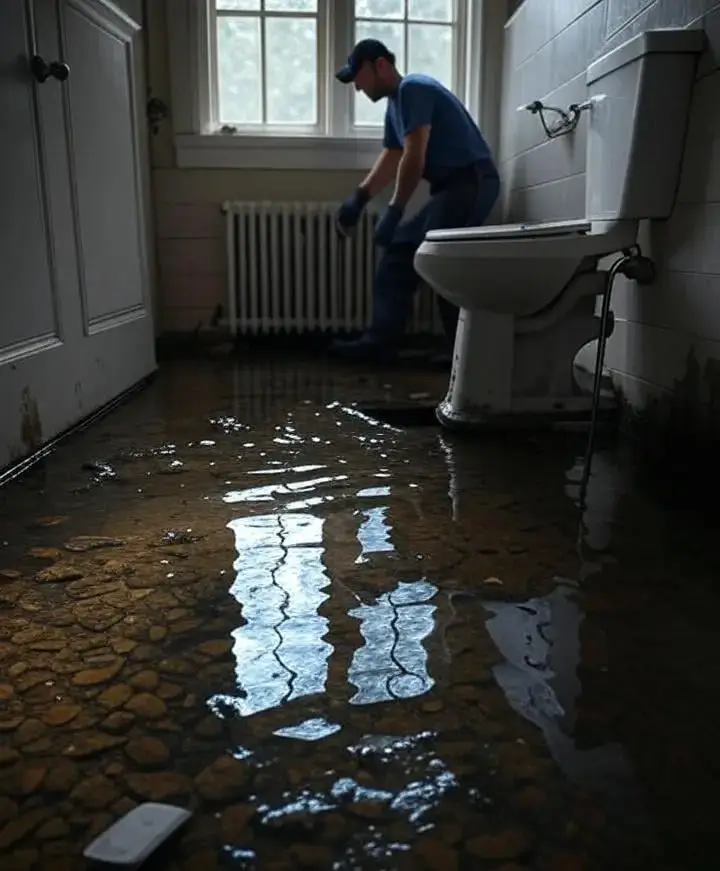
Sewer backups are not just a plumbing problem—they are a serious health concern. Sewage contains harmful bacteria, viruses, and pathogens. Exposure can lead to gastrointestinal illness, skin infections, or respiratory issues. Homeowners should take the following precautions:
- Avoid Direct Contact – Do not wade through sewage or attempt DIY cleanups.
- Protective Gear – Professionals use gloves, boots, and respirators to handle contaminated areas safely.
- Ventilation – Open windows and doors if possible to reduce odor and airborne pathogens.
- Disinfection – After a backup, professional sanitation ensures the area is fully cleaned, reducing the risk of lingering bacteria.
Advanced Detection and Repair Technologies
Modern Detroit plumbers use advanced tools to address sewer backups efficiently:
- Camera Inspection – High-resolution cameras are sent through the lines to identify blockages, corrosion, cracks, and root intrusion. This prevents guesswork and ensures targeted repair.
- Hydro-Jetting – Pressurized water removes buildup, grease, and tree roots from sewer lines without causing damage to older pipes.
- Pipe Relining – For damaged lines, a cured-in-place pipe (CIPP) liner can reinforce the pipe without full excavation.
- Sump Pumps and Backflow Valves – Installation of these devices can prevent basement flooding during municipal sewer surges.
Practical Homeowner Tips for Preventing Sewer Backups
Detroit homeowners can reduce the risk of backups with proactive measures:
- Install Backflow Prevention Devices – These prevent sewage from flowing back into your home during heavy rains or municipal system overloads.
- Avoid Flushing Inappropriate Items – Items like wipes, diapers, grease, and coffee grounds are major contributors to blockages.
- Schedule Routine Maintenance – Annual inspections and cleanings catch minor issues before they escalate.
- Tree Management – Roots are a leading cause of line intrusion. Regularly trimming trees near sewer lines or using root barriers can save thousands in emergency repairs.
- Educate Family Members – Make sure everyone in the household knows what can and cannot be flushed or drained to prevent accidental backups.
When to Call an Emergency Sewer Service
Knowing when to call immediately can save both property and health:
- Multiple drains backing up at the same time.
- Foul odors emanating from drains or basement.
- Visible pooling of sewage or water in your basement.
- Gurgling or bubbling noises from toilets or sinks.
- Water rising after heavy rain or snowmelt.
Immediate professional response is critical in Detroit homes, particularly in neighborhoods with older sewer lines, to prevent structural damage, mold growth, and long-term repair costs.
Why Detroit Homeowners Should Hire Local Experts
Hiring a local plumbing company brings distinct advantages:
- Rapid Response – Technicians can reach your home faster than out-of-town services, crucial in emergency situations.
- Knowledge of Neighborhoods – Local plumbers know the sewer history, pipe materials, and common problem areas.
- Understanding Seasonal Challenges – Detroit professionals are experienced with freeze-thaw cycles, spring floods, and root growth trends.
- Compliance with Local Codes – Repairs and replacements are done in line with Detroit building codes, ensuring legality and safety.
By working with a trusted local company, homeowners gain peace of mind knowing the problem will be addressed efficiently and safely.
Dealing with serious backups
Sewer backups are serious emergencies that require prompt professional attention. By understanding the causes, processes, costs, and preventive measures, Detroit homeowners can better navigate these challenging situations. Always ensure you’re working with licensed, insured, and experienced professionals to safeguard your home and health.
Frequently Asked Questions
Experiencing a Sewer Backup?
Don’t wait! Call our 24/7 emergency service at 844-423-0056 for immediate assistance.
Our licensed professionals are ready to restore your home and peace of mind.