Clogged Drain Near You?
If your sink, shower, or floor drain is backing up, it’s a sign something deeper in the pipe needs attention. Fix the issue before it becomes a full plumbing backup.
Call 844-423-0056 NowFew things are more frustrating than dealing with a clogged drain. You turn on the faucet expecting the water to flow away normally, but instead it starts pooling in the sink. Maybe the shower floor fills up with water while you’re standing in it, or the kitchen sink refuses to drain after doing dishes.

When people search for “clogged drain near me,” it’s usually because the problem has already reached the point where it’s disrupting daily life.
The good news is that most drain clogs follow predictable patterns. If you understand the common causes and early warning signs, you can often prevent the issue from turning into a major plumbing problem. This guide walks through why drains clog, what you can try first, and when it’s time to call a professional.
What Happens When a Drain Gets Clogged
Drains are designed to move water and waste smoothly through a network of pipes until it reaches the sewer or septic system. When everything is functioning properly, water flows quickly and quietly through the pipes. A clog changes that.
Instead of flowing freely, debris begins collecting inside the pipe. Over time this buildup narrows the opening inside the pipe, slowing the movement of water.
At first you might only notice the drain moving slower than usual. Eventually the restriction becomes large enough that water cannot pass through at all. That’s when the drain completely backs up.
The Most Common Reasons Drains Get Clogged
Most clogs develop gradually rather than appearing overnight. Everyday materials that go down the drain accumulate until they block the pipe.
Here are some of the most common causes:
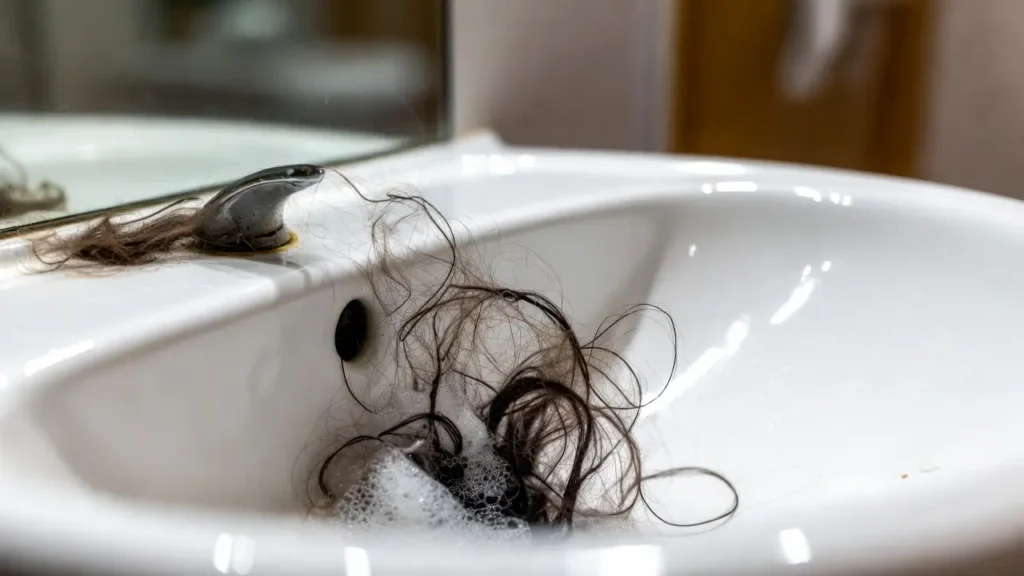
Hair Buildup
Hair is one of the biggest contributors to clogged bathroom drains.
It wraps around itself and catches other debris such as soap residue and dirt. Over time the mass grows until water can barely pass through.
Showers and bathroom sinks are especially prone to this type of clog.
Grease in Kitchen Drains
Many kitchen clogs start with grease.
Even when grease is rinsed with hot water, it often cools and hardens inside the pipe. Once it sticks to the pipe walls, it traps food particles and other debris moving through the drain.
Eventually the grease buildup forms a thick blockage.
Soap Residue
Soap does not always dissolve completely. Instead, it can leave behind a film inside pipes.
This film gradually narrows the pipe and allows other debris to stick to it. Over time the buildup becomes thick enough to slow water flow.
Food Particles
Small food scraps may seem harmless, especially if you have a garbage disposal. However, certain materials like coffee grounds, rice, and pasta can expand or clump together inside the pipes.
This creates dense blockages that are difficult to flush away.
Foreign Objects
Sometimes objects accidentally end up in drains.
Items like paper towels, wipes, hygiene products, or small household items can easily get stuck in pipes. Once they become lodged, they catch other debris and create a clog.
Warning Signs a Drain Is Starting to Clog
Most drains give several warning signs before they stop working completely.
Pay attention to these symptoms:
• Water draining slower than normal
• Gurgling sounds from sinks or tubs
• Unpleasant odors coming from drains
• Water pooling in the sink or shower
• Frequent need to plunge the same drain
These signs indicate buildup forming inside the pipe. Addressing the problem early can prevent a complete blockage.
Quick Things You Can Try Before Calling a Plumber
Not every clogged drain requires professional service right away. Some minor clogs can be cleared with simple steps.
Remove Visible Debris
Sometimes the clog is right at the drain opening. Hair, soap buildup, or food scraps may be blocking the entry point. Removing the debris can restore normal flow.
Try a Plunger
A plunger creates pressure that can loosen small blockages near the surface of the pipe. This works best for clogs located close to the drain opening.
Flush With Hot Water and Soap
If grease buildup is the problem, flushing the drain with hot water and dish soap can sometimes break up smaller deposits. However, this method is only effective for minor buildup.
When DIY Fixes Don’t Work
If the clog keeps coming back or the drain never fully clears, the problem may be deeper in the plumbing system.
Common signs that the clog is beyond a simple fix include:
• Multiple drains slowing down at once
• Water backing up in other fixtures
• Persistent odors from the pipes
• Recurring clogs even after plunging
In these cases, the blockage may be further down the pipe or even in the main sewer line. Professional equipment is usually needed to fully clear these types of clogs.
Why Professional Drain Cleaning Makes a Difference
Professional plumbers use specialized tools designed to remove blockages completely rather than just pushing them further down the line.
These tools can:
• Break apart dense clogs
• Remove grease buildup from pipe walls
• Clear hair and debris from deep inside the pipe
• Restore full drainage capacity
By clearing the pipe properly, professional cleaning helps prevent the clog from returning quickly.
Don’t Let a Clogged Drain Turn Into a Plumbing Emergency
If your drain keeps backing up or draining slowly, it’s best to address the problem before it becomes a larger plumbing issue. Professional drain cleaning can restore proper flow and prevent future clogs.
Call 844-423-0056 TodayPreventing Future Drain Clogs
Once the drain is working again, a few simple habits can help prevent future blockages. Avoid pouring grease or oil down kitchen sinks. Instead, dispose of grease in a container and throw it away.
Use drain screens in showers and bathroom sinks to catch hair before it enters the pipes. Run hot water after washing dishes to help move grease residue through the system. And most importantly, address slow drains early rather than waiting until the pipe becomes fully blocked.
Why Acting Quickly Saves Money
One of the biggest mistakes homeowners make is waiting too long to address drain problems. A small clog can grow into a major blockage if it continues collecting debris.
When drains back up completely, the repair often becomes more complicated and expensive. By fixing the issue early, homeowners can avoid larger plumbing repairs and keep their plumbing system functioning properly.