
If your Sink Gurgle occurs after the water drains, it usually means air is trapped in the plumbing. Common causes include a partial drain clog, a blocked vent, or a sewer-line issue.
While the noise may seem harmless at first, it shouldn’t be ignored. Therefore, a Sink Gurgle is often one of the warning signs that your plumbing system isn’t working as it should. As a result, catching the problem early can help prevent slow drains, sewer backups, and costly plumbing repairs.

If you’ve been wondering why your Sink Gurgle occurs after it drains, this guide answers the questions homeowners ask most and explains what you can do next.
What Does a Gurgling Sink Mean?
Your plumbing system is designed to move both water and air.
In addition, water flows down the drain and air moves through plumbing vents to balance the pressure inside the pipes. When something blocks that airflow, the trapped air is forced through the water inside your drain.
That’s what creates the familiar bubbling or gurgling sound.
Think of drinking through a straw with your finger covering the top. The liquid doesn’t flow smoothly because air can’t move properly. Additionally, your plumbing system functions in a similar way.
Is It Normal for a Sink to Gurgle?
Nevertheless, no.
In addition, a properly working sink should drain quietly.
Occasional noises may happen if a large amount of water is draining quickly, but repeated gurgling is usually a sign that something needs attention.
If the sound keeps happening, it’s worth finding the cause before the problem becomes worse.
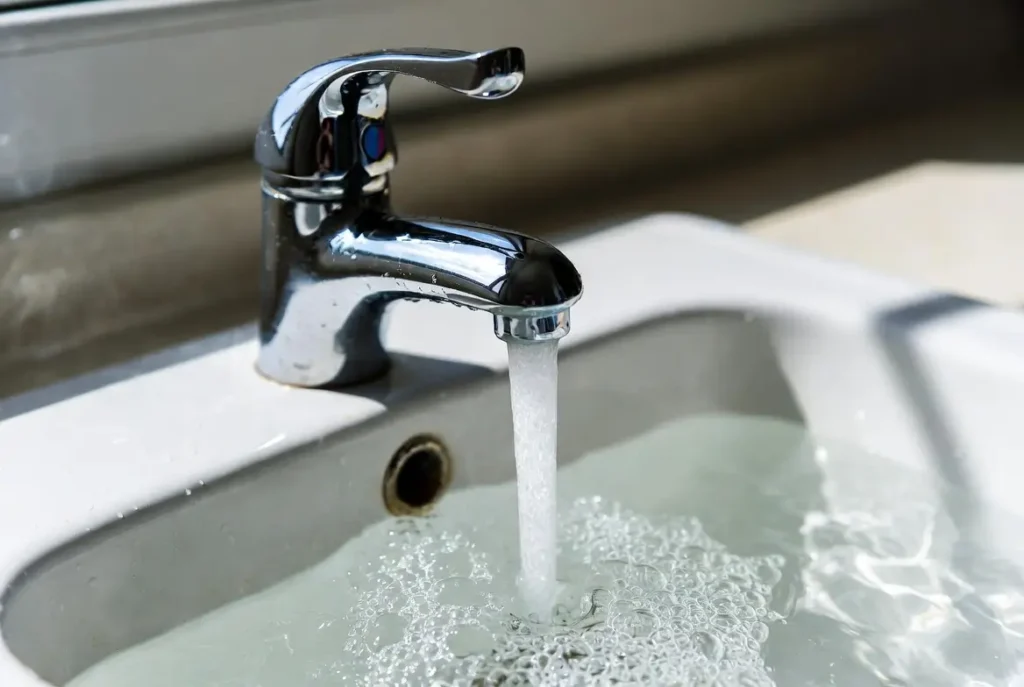
What Causes a Sink to Gurgle After It Drains?
Furthermore, several plumbing issues can cause this problem.
A Partial Drain Clog
This is one of the most common causes.
Moreover, materials slowly build up inside drain pipes over time.
For example, common buildup includes:
- Soap residue
- Hair
- Additionally, toothpaste.
- Grease
- Food particles
- Additionally, mineral deposits.
Water may still drain, but it has to squeeze past the blockage.
Consequently, air becomes trapped and creates the gurgling sound.
What Homeowners Usually Notice
You may also see:
- Slow draining water
- Standing water for a few seconds
- Bad odors
- Frequent clogs
- Bubbling noises
Ignoring a partial clog often allows it to become a complete blockage.
Could a Plumbing Vent Be Blocked?
Yes.
Many homeowners don’t realize their plumbing system has vents that extend through the roof.
Additionally, vents enable:
- Fresh air into the plumbing
- Sewer gases to escape safely
- Proper pressure inside the drain system
If a vent becomes blocked, air can’t move correctly.
Instead, the air tries escaping through your sink drain.
Moreover, that creates the bubbling or gurgling sound.
What Blocks Plumbing Vents?
In particular, common causes include:
- Leaves
- Bird nests
- Additionally, Snow.
- However, Ice.
- Moreover, dirt.
- Furthermore, animal debris requires removal.
Because roof vents are difficult to inspect safely, many homeowners leave this job to a professional.
Can a Sewer Line Problem Cause Gurgling?
Absolutely.
Sometimes the sink isn’t the actual problem.
The issue may be inside your home’s main sewer line.
Your sinks, toilets, showers, tubs, and floor drains all connect to one main sewer pipe.
If that line becomes restricted, pressure builds throughout the plumbing system.
A gurgling sink is often one of the first warning signs.
Sewer Line Problems Can Be Caused By
- Tree roots
- Broken pipes
- Pipe collapse
- Grease buildup
- Flushed debris
- Aging sewer lines
If multiple drains are making noise, the main sewer line should be inspected.
Why Does My Sink Gurgle When I Flush the Toilet?
This is another common homeowner question.
When flushing the toilet causes your sink to gurgle, both fixtures are likely connected to the same drainage system.
Possible causes include:
- Partial sewer blockage
- Venting problems
- Main drain restrictions
The toilet pushes a large amount of water into the drain system.
If the air cannot move correctly, it may escape through the sink drain instead.
Why Does My Kitchen Sink Gurgle More Than My Bathroom Sink?
Kitchen sinks usually handle much more grease and food waste.
Even homeowners who are careful eventually develop buildup inside kitchen drain pipes.
Grease sticks to pipe walls.
Then food particles begin collecting.
Eventually, water flow slows enough to create trapped air.
That air produces the familiar gurgling sound.
Why Does My Bathroom Sink Gurgle?
Bathroom sinks often clog because of:
- Toothpaste
- Soap
- Hair
- Makeup residue
Even a small blockage can interfere with normal airflow inside the drain.
Fortunately, catching the problem early often prevents larger plumbing issues.
Could Tree Roots Be Causing the Problem?
Yes.
If your home has mature trees, tree roots could be growing into your sewer line.
Roots naturally search for water.
Even a tiny crack in the sewer pipe allows moisture to escape.
Roots enter through these openings and continue growing.
Eventually they begin trapping waste inside the sewer line.
This causes:
- Slow drains
- Gurgling sounds
- Sewer odors
- Toilet backups
- Basement drain problems
Tree root intrusion is one of the leading causes of recurring sewer issues.
What Other Warning Signs Should I Watch For?
A gurgling sink is often only the beginning.
Watch for:
- Slow drains
- Standing water
- Bad odors
- Multiple clogged fixtures
- Bubbling toilets
- Basement drain backups
- Water backing up into tubs
- Sewage smells
These symptoms usually indicate a larger plumbing issue.
Can I Fix a Gurgling Sink Myself?
Sometimes.
If the problem is a small drain clog near the sink, homeowners may have success with basic maintenance.
You can try:
- Cleaning the drain stopper
- Removing visible debris
- Using a plunger
- Flushing the drain with hot water
These methods may improve drainage if the clog is close to the sink.
Should I Use Chemical Drain Cleaners?
Most plumbers recommend avoiding them.
Chemical cleaners often:
- Damage older pipes
- Fail to remove larger blockages
- Create safety hazards
- Make future repairs more difficult
If the gurgling continues after basic cleaning, the problem is likely deeper inside the plumbing system.
How Do Plumbers Find the Problem?
Professional plumbers use specialized equipment that goes beyond guessing.
Sewer Camera Inspection
One of the best diagnostic tools is a sewer camera inspection.
A waterproof camera travels through your drain system.
It allows plumbers to see:
- Tree roots
- Pipe cracks
- Broken joints
- Grease buildup
- Heavy blockages
- Pipe collapse
Instead of guessing, the plumber knows exactly what’s causing the problem.
Professional Drain Cleaning
Additionally, commercial drain cleaning equipment removes buildup that household tools often cannot reach.
As a result, depending on the blockage, plumbers may use:
- Also, drain snakes.
- Mechanical augers
- Hydro jetting
- Root cutting equipment
As a result, this restores proper water flow and airflow in the plumbing system.
How Can I Prevent My Sink From Gurgling Again?
Regular maintenance helps prevent many drain problems.
Homeowners should:
- Avoid pouring grease into drains.
- Use sink strainers.
- Flush drains with hot water regularly.
- Schedule drain cleaning if problems repeat.
- Address slow drains early.
- Have older sewer lines inspected periodically.
Preventive maintenance is almost always less expensive than emergency plumbing repairs.
When Should I Call a Professional?
Contact a plumber if:
- The sink gurgles every day.
- Multiple drains are affected.
- You notice sewer odors.
- Water backs up into other fixtures.
- Drains continue slowing down.
- The problem returns after cleaning.
- Basement drains begin backing up.
Therefore, waiting often allows the blockage to become worse.
Frequently Asked Questions
Why does my sink gurgle after the water drains?
The most common causes are trapped air, a partial clog, a blocked plumbing vent, or a sewer line problem. A properly functioning drain should empty quietly, so recurring gurgling noises usually indicate that your plumbing system needs attention.
Is a gurgling sink dangerous?
The sound itself isn’t dangerous, but it can be an early warning sign of a larger plumbing problem. Ignoring recurring gurgling could allow a clog, vent issue, or sewer line problem to become more serious over time.
Can a clogged vent cause sink noises?
Yes. A blocked plumbing vent prevents proper airflow through your drain system, causing trapped air to escape through the sink drain. This often creates bubbling or gurgling sounds after the water drains.
Will drain cleaner stop the gurgling?
Usually not. Chemical drain cleaners rarely solve plumbing vent problems or sewer line issues. They may also damage older pipes and only provide temporary relief if a deeper blockage is causing the noise.
When should I schedule a sewer camera inspection?
If the gurgling keeps returning, affects multiple drains, or is accompanied by sewer odors, slow drains, or backups, a sewer camera inspection is often the best way to identify the exact cause without unnecessary digging or guesswork.
Don’t Ignore a Gurgling Sink
Your plumbing system is designed to operate quietly. If your sink is making gurgling noises after it drains, it’s trying to tell you something.
Whether the cause is a partial clog, a blocked vent, or a sewer line problem, finding the issue early can save you from expensive repairs later.
If you’re experiencing recurring drain noises, slow drains, or plumbing backups, professional drain cleaning and a sewer camera inspection can identify the cause and restore your plumbing system before the problem becomes more serious.
For related information, homeowners may also find our pages on drain cleaning services, sewer camera inspections, and sewer line repair helpful for understanding additional plumbing solutions.
Is Your Sink Gurgling Every Time It Drains?
Strange drain noises could be a sign of a clogged drain, blocked plumbing vent, or even a sewer line problem. Don’t wait until it turns into a costly backup. Let a professional inspect your plumbing and find the real cause.
📞 Call 844-423-0056Fast, professional drain cleaning and sewer inspections are just a phone call away. Get your plumbing flowing properly again.