
Could Tree Roots Be Causing Your Sewer Problems?
If you’re dealing with recurring drain clogs, slow drains, gurgling toilets, or sewer backups, don’t wait for the problem to get worse. A professional sewer camera inspection can pinpoint the issue and help you avoid costly repairs.
Call 844-423-0056 today to schedule your inspection.

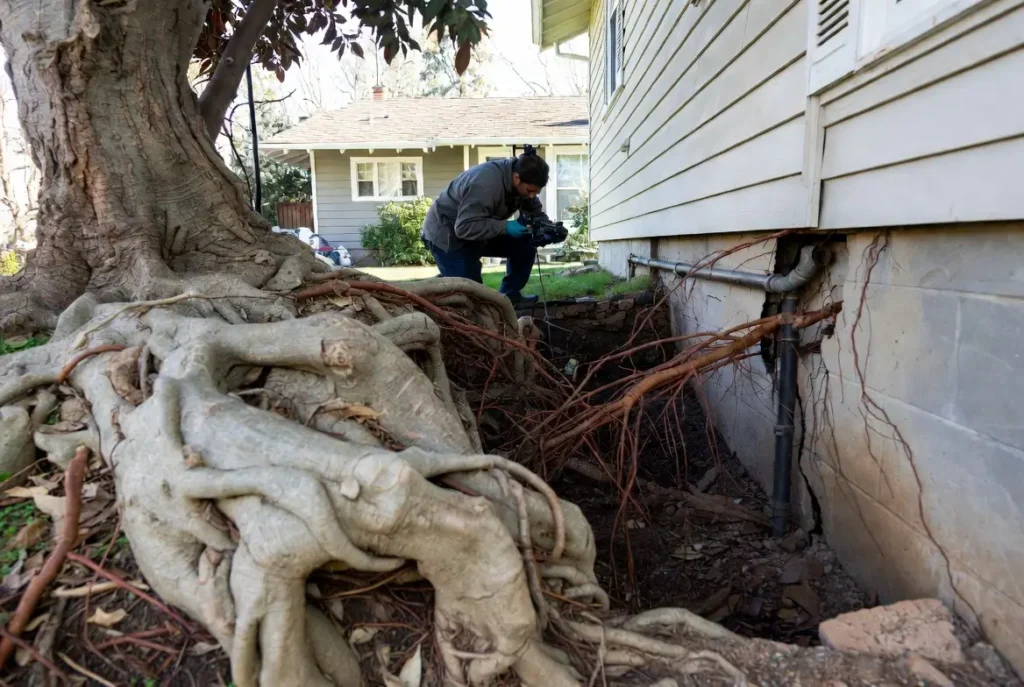
Colorado homeowners love having mature trees on their property. Large shade trees add beauty, increase curb appeal, and can even boost property value. However, those same trees can become a hidden threat beneath your yard. One of the most common plumbing problems throughout Colorado is tree roots invading sewer lines.
Many homeowners don’t realize they have a problem until drains start backing up or sewage appears where it shouldn’t. By then, the damage may already be significant.
Understanding how tree roots invade sewer lines, recognizing the warning signs early, and knowing when a sewer camera inspection is necessary can help you avoid expensive repairs and major headaches.
Why Tree Roots Target Sewer Lines
Tree roots naturally seek out moisture and nutrients. Unfortunately, sewer lines provide both.
Even a tiny crack, loose pipe joint, or small opening in an underground sewer pipe can release water vapor and nutrients into the surrounding soil. Tree roots detect this moisture and begin growing toward the source.
Once roots reach the pipe, they can enter through openings that are barely visible. Over time, those small roots expand and multiply inside the sewer line.
As they continue growing, they can:
- Trap toilet paper and debris
- Restrict wastewater flow
- Create stubborn drain clogs
- Cause sewage backups
- Crack or collapse aging pipes
- Lead to complete sewer line failure
The problem is especially common in older Colorado neighborhoods where sewer lines may be made from clay, cast iron, or Orangeburg piping.
Why Colorado Homes Are Vulnerable
Several factors make Colorado homes particularly susceptible to root intrusion.
Mature Landscaping
Many established neighborhoods feature decades-old trees with extensive root systems. The larger the tree, the farther its roots can travel in search of water.
Some tree roots can extend two to three times the width of the tree’s canopy.
Aging Sewer Infrastructure
Older sewer systems often contain materials that deteriorate over time.
Common older pipe materials include:
- Clay tile pipes
- Cast iron pipes
- Orangeburg pipes
- Concrete sewer lines
As these materials age, they become more prone to cracks and separated joints.
Seasonal Moisture Changes
Colorado’s climate brings periods of drought followed by rainfall and snowmelt. During drier conditions, roots aggressively seek moisture sources underground, making sewer pipes an attractive target.
Common Trees That Cause Sewer Problems
Not every tree creates the same level of risk.
Some species have aggressive root systems that frequently invade sewer lines.
These include:
- Silver maple
- Cottonwood
- Aspen
- Willow
- Elm
- Poplar
- Boxelder
- Sycamore
This doesn’t mean homeowners should remove these trees immediately. Instead, understanding the potential risk helps homeowners stay proactive with inspections and maintenance.
Warning Signs of Tree Roots in Sewer Lines
Because sewer lines are underground, problems often develop slowly.
Knowing the warning signs can help you catch root intrusion before it becomes an emergency.
Multiple Slow Drains
If several drains throughout your home begin draining slowly at the same time, the issue may not be isolated to one fixture.
For example:
- The kitchen sink drains slowly.
- The bathtub takes longer to empty.
- Bathroom sinks begin backing up.
When multiple fixtures experience issues, the main sewer line may be partially blocked.
Frequent Drain Clogs
A single clog occasionally happens in most homes.
However, if you’re repeatedly clearing the same drains and the problem keeps returning, roots may be growing inside the sewer line.
Temporary drain cleaning may remove some debris without addressing the actual cause.
Gurgling Sounds
Strange noises from plumbing fixtures are another common symptom.
You may hear:
- Bubbling toilets
- Gurgling sinks
- Noises from shower drains
These sounds often occur because wastewater and air struggle to move through restricted pipes.
Toilet Backups
Toilets frequently reveal sewer problems before other fixtures.
Warning signs include:
- Water rising higher than normal
- Bubbling after flushing
- Overflowing toilets
- Toilets backing up after using sinks or showers
Any of these symptoms should be investigated promptly.
Sewage Odors
A healthy sewer system should remain sealed.
If you notice persistent sewage smells inside your home or outside in your yard, root intrusion could be compromising the sewer line.
Unusually Green Areas in the Yard
Leaking wastewater can fertilize grass above damaged pipes.
Watch for:
- Bright green patches
- Faster-growing grass
- Constantly damp areas
- Soft spots in the yard
These signs may indicate a sewer leak caused by root damage.
Why Drain Cleaning Isn’t Always Enough
Many homeowners assume a drain clog simply needs to be snaked.
While drain cleaning can restore flow temporarily, it often doesn’t solve the underlying problem when tree roots are involved.
Mechanical augers may cut through roots, allowing wastewater to pass again.
However:
- Roots frequently grow back.
- Existing pipe damage remains.
- Cracks and separated joints worsen over time.
Without identifying the extent of the intrusion, the problem often returns.
The Importance of Sewer Camera Inspections
One of the most effective tools available today is a sewer camera inspection.
Instead of guessing what is causing the blockage, plumbers insert a waterproof camera into the sewer line.
The camera travels through the pipe and provides real-time video footage of its condition.
What Camera Inspections Reveal
A sewer camera inspection can identify:
- Root intrusion locations
- Pipe cracks
- Broken sections
- Offset joints
- Collapsed pipes
- Grease buildup
- Foreign objects
- Corrosion
This allows plumbers to recommend targeted solutions rather than relying on trial and error.
Accurate Diagnosis Saves Money
Without a camera inspection, homeowners may pay repeatedly for temporary fixes.
A camera inspection helps determine whether you need:
- Root removal
- Hydro jetting
- Spot repairs
- Pipe lining
- Partial replacement
- Full sewer replacement
Knowing exactly what’s happening underground prevents unnecessary expenses.
Documentation for Homeowners
Camera inspections also provide valuable documentation.
Video footage can help:
- Support insurance claims
- Verify repair recommendations
- Track recurring issues
- Provide peace of mind
Many homeowners appreciate seeing the actual condition of their sewer line before making major repair decisions.
Treatment Options for Root Intrusion
The right solution depends on the severity of the damage.
Root Cutting
Mechanical cutting tools can remove roots blocking the pipe.
This is often the first step when flow needs to be restored quickly.
Hydro Jetting
Hydro jetting uses high-pressure water to clear debris and cut away roots.
It can thoroughly clean pipe walls while improving flow.
Pipe Repair
If only a small portion of the sewer line is damaged, spot repairs may be sufficient.
This involves excavating and replacing the affected section.
Trenchless Pipe Lining
In some situations, trenchless technology allows plumbers to install a new liner inside the existing pipe.
Benefits include:
- Minimal digging
- Faster completion
- Reduced landscape disruption
Sewer Line Replacement
Severely damaged or collapsed pipes often require complete replacement.
Although this is the largest investment, it provides a long-term solution.
How Homeowners Can Reduce the Risk
While tree roots cannot always be prevented, homeowners can take proactive steps.
Consider the following:
- Schedule periodic sewer inspections.
- Avoid planting aggressive trees near sewer lines.
- Learn where your sewer line runs.
- Address slow drains promptly.
- Repair small issues before they worsen.
- Consider inspections before purchasing older homes.
Preventative maintenance is often far less expensive than emergency sewer repairs.
Don’t Ignore the Early Signs
Tree root intrusion rarely fixes itself.
What starts as an occasional slow drain can eventually turn into sewage backups, costly excavation, and major property damage.
Colorado homeowners who act quickly often avoid the worst outcomes. Paying attention to warning signs and investing in a sewer camera inspection when problems arise can save thousands of dollars and protect your home’s plumbing system.
If you’ve noticed recurring clogs, gurgling drains, or unexplained sewer odors, now is the time to have your sewer line evaluated. Identifying tree roots early gives you more repair options, lower costs, and greater peace of mind.