
Dealing With a Stubborn Drain?
Call 844-423-0056 for Fast Professional Help
If you have ever dealt with a clogged drain, you know the routine. Water starts draining slowly. You ignore it for a while. Then one day, the sink backs up completely. You grab a drain snake, run it down the pipe, pull out some gunk, and hope that solves the problem.

Sometimes it does. Other times, it works for a few days and then the drain slows down again. That is when most homeowners start asking the same question: how many times should I keep snaking this thing before calling a plumber?
The honest answer is this. If you have already snaked the same drain more than once and the clog keeps coming back, it is time to stop and get professional help.
What’s Really Happening When You Keep Snaking
A basic drain snake is designed to break through soft clogs or grab loose debris. It is not designed to fully clean the inside of your pipes.
When you snake a drain, you usually create a small opening through the blockage. That lets water pass again, which makes it feel like the problem is fixed. In reality, most of the buildup is still there.
Grease, soap residue, hair, food waste, and sludge stay stuck to the pipe walls. Over time, those leftovers catch more debris. The clog slowly rebuilds until water starts backing up again.
That is why repeat clogs are so common. You are treating the symptom, not the cause.
Common Reasons Drains Keep Re-Clogging
One of the biggest reasons snaking fails long-term is pipe buildup. Over the years, drains collect layers of grease and grime. In kitchen sinks, grease is the biggest offender. In bathrooms, it is usually hair and soap.
Another common issue is compacted debris. Some clogs become so dense that small snakes cannot break them apart. They may poke through temporarily, but the blockage remains mostly intact.
Tree roots are another major problem, especially in older homes. Roots can grow into sewer lines and trap waste. No handheld snake can remove roots.
Pipe damage can also play a role. Cracked, sagging, or misaligned pipes create low spots where debris settles. Even after snaking, material keeps collecting in the same place.
In some cases, the issue is the main sewer line. When multiple drains clog at once, the problem is rarely in one fixture. It is usually deeper in the system.
Warning Signs That Snaking Is No Longer Enough
If you notice certain patterns, it is a clear sign that DIY snaking in Michigan is no longer working.
One warning sign is repeated clogs in the same drain. If you snake it every few weeks, something bigger is going on.
Slow draining in multiple fixtures is another red flag. When sinks, tubs, and toilets all drain slowly, the main line may be blocked.
Gurgling sounds are also important. Bubbling toilets and noisy drains often mean air is trapped by a blockage deeper in the system. Bad odors coming from drains can indicate trapped waste that is not being removed.
Frequent backups, especially after doing laundry or running multiple fixtures, are another sign of a serious restriction in the pipes. When these symptoms show up together, it is time to stop guessing and call a professional.
Tired of Snaking the Same Drain?
Get Real Solutions — Call 844-423-0056 Today
Why DIY Snaking Often Makes Things Worse
Many homeowners assume that using a snake repeatedly is harmless. In reality, it can cause damage over time.
Low-quality snakes can scratch or crack older pipes. This is especially risky with cast iron or clay lines. Even small damage can lead to leaks and future failures.
Improper use can also push debris further into the system. Instead of removing the clog, you may compact it deeper into the line.
Some people try stronger tools or chemical cleaners after snaking fails. That combination is dangerous. Harsh chemicals weaken pipes and create long-term problems.
There is also the risk of missing serious issues. If roots, collapsed pipes, or major buildup are present, DIY tools cannot diagnose them. At that point, you are wasting time and increasing repair costs.
How Professional Drain Cleaning Is Different
Professional plumbers do not rely on basic snakes alone. They use commercial-grade equipment designed to fully clean pipes.
One common tool is hydro jetting. This uses high-pressure water to blast away grease, sludge, and buildup from pipe walls. It restores the drain to near-original condition.
Another tool is video camera inspection. This allows plumbers to see inside the pipe and identify cracks, roots, or collapsed sections.
Professional augers are also much stronger than consumer models. They can cut through compacted debris and roots.
Most importantly, professionals diagnose the real cause instead of guessing. That is what prevents repeat problems.
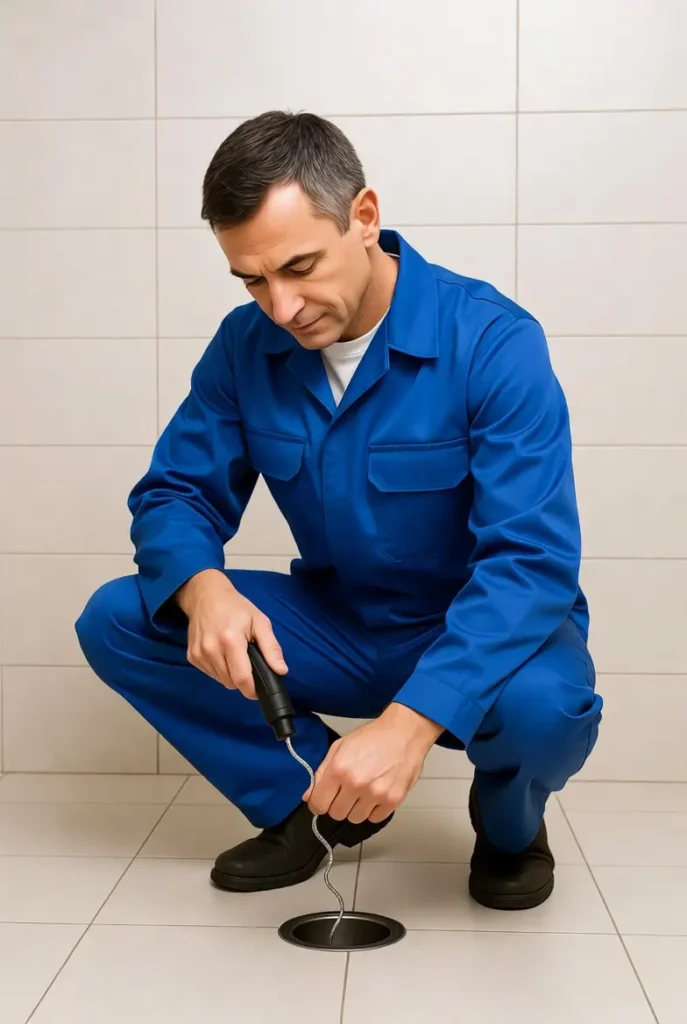
When You Should Call a Plumber Instead of Snaking Again
If you have snaked a drain twice and it still clogs, it is time to call.
If water backs up into other fixtures, call immediately.
If you hear gurgling or smell sewage, do not wait.
If drains clog after heavy water use, the main line may be restricted.
If you see sewage backups, that is an emergency.
Waiting too long can lead to water damage, mold, and expensive repairs.
The Long-Term Cost of Waiting
Many people keep snaking drains because they want to save money. Ironically, that often leads to higher costs.
Recurring clogs strain pipes. Minor damage turns into major leaks. Small blockages become full backups.
Water damage repairs cost far more than professional drain cleaning.
Fixing problems early is almost always cheaper.
How to Know You Found the Right Plumber
Not all plumbing companies specialize in drain systems. Look for professionals who focus on drain cleaning and sewer services.
Ask if they use camera inspections and hydro jetting.
Check reviews for repeat clog complaints.
Choose companies that explain the problem clearly and offer long-term solutions.
Experience matters when dealing with stubborn drains.
Frequently Asked Questions
How many times should I try snaking before calling a plumber?
If you have snaked the same drain more than once and it keeps clogging, it is time to call a professional.
Can repeated snaking damage my pipes?
Yes. Poor-quality tools and improper use can scratch, crack, or weaken older pipes.
Why does my drain clog again after snaking?
Snaking often removes only part of the blockage. Buildup remains and quickly reforms.
What is better than snaking for long-term results?
Professional hydro jetting and camera inspections provide deeper cleaning and accurate diagnosis.
Stop Guessing and Get Real Answers From A Plumber
If you are constantly reaching for a drain snake, your plumbing system is asking for help. Repeated clogs are not normal. They are warning signs.
Snaking once or twice is fine for minor issues. Beyond that, you are just delaying the inevitable.
Professional drain cleaning saves time, prevents damage, and restores proper flow. It is the smarter long-term choice.
Ready to Fix Your Drain for Good?
Call 844-423-0056 and Get Expert Help Today